

My Wild Neighbors: February is the month for coyote love
Maine’s ubiquitous but elusive apex predator sets amorous sights on a mate.
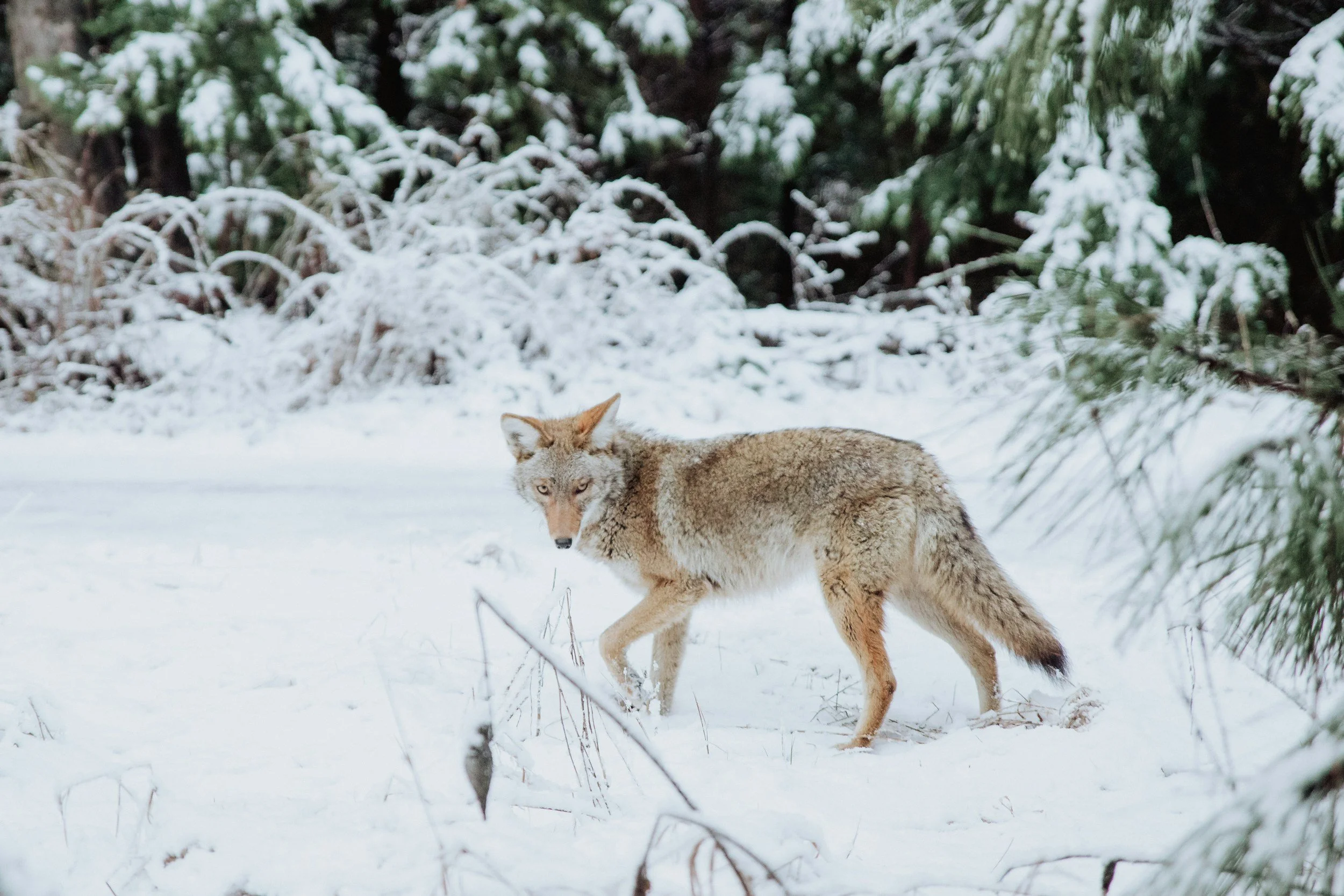
Coyotes, which are actually about one quarter wolf, are howling for a reason in February. Photo by Unsplash.
By Kimberly Ridley
Fresh snow glittered under a full moon. Tom and I set out on cross-country skis, gliding across our neighbors’ fields. Cloud shadows raced across the snow. We paused to soak up the silence of a February night.
Then, wild yips and howls erupted from the woods at the edge of the field. Minutes later, yips and howls rose from the woods on the other side of the field.
Coyotes.
The hair on the back of my neck prickled. Tom suggested we head for home. Then I remembered: Come February, coyotes are in the mood for love. Valentine’s Day falls right in the middle of their mating season. They weren’t interested in us, but in one another. We enjoyed that magical night, and lived to tell the tale.
To be honest, I have mixed feelings about coyotes. On one hand, their sudden appearance here in Brooklin one long ago autumn coincided with the sudden disappearance of more than 20 cats, including ours. On the other hand, these wild “song dogs” play an important role in our local ecology, and they’re remarkably adaptable.
Coyotes were first reported in Maine in the 1930s. By the 1970s, they had spread throughout the state. When I was a kid growing up in southern Maine in the seventies,
I remember a shivery pleasure when rumors started spreading about mysterious “coydogs” and “coywolves” howling in the wilds of Shapleigh.
It turns out the rumors were true, and the name was apt. As Western coyotes migrated east, they bred with wolves in Canada and around the Great Lakes, along with the occasional dog. A study of DNA collected from more than 400 eastern coyotes found that the average genetic mix is 64 percent coyote, 26 percent wolf and 10 percent domestic dog.
Eastern coyotes are bigger than their Western kin, averaging about 10 pounds heavier. The biggest one I’ve seen in Brooklin was about the size of a small German shepherd. Tom and I were again cross-country skiing, this time in broad daylight on the Harriman Point trail. Suddenly, something made me stop and turn around. In the middle of the trail stood a hefty coyote in a coat of sienna, charcoal, and cream, staring right at us.
“He’s waiting for us to fall down,” Tom joked.
I laughed, but wondered: Was the coyote following us? And was he alone?
On the way back, we saw three coyotes cross the trail 50 yards ahead of us.
That freaked me out a bit, but the truth is coyotes only want to avoid humans. They have no interest in hunting us. Their main diet includes rodents and other small mammals, as well as carrion, fruit, and insects such as grasshoppers. Coyotes also take sick or injured deer year-round, as well as fawns in spring and summer.
“Coyotes are an apex predator here in Maine,” says carnivore conservation biologist Geri Vistein, founder of the Coyote Center for Carnivore Ecology and Coexistence and author of I Am Coyote, a novel about one coyote’s 500-mile journey from Ontario to Maine.
As hunters at the top of the food chain, coyotes help maintain biological diversity by controlling herbivore populations. The coyote’s appetite for rodents and deer—the necessary hosts for deer ticks to complete their life cycle—may also benefit humans. “Because we are part of this whole ecological system, coyotes have the potential to protect us from Lyme and other bacterial diseases borne by ticks,” Vistein says.
Coyotes have filled an ecological niche in the northeast once occupied by wolves and cougars. Today, the Maine Department of Inland Fisheries and Wildlife estimates that between 10,000 and 15,000 coyotes dwell among us. The relationship is mostly peaceful, but conflicts are inevitable.
Vistein offers excellent tips for coexisting with these animals on her website Coyote Lives in Maine. Practical steps include securing garbage and compost, picking up dropped apples under trees, never feeding coyotes, and not feeding pets outdoors.
Speaking of pets, Vistein says coyotes see dogs as threats, particularly during pup rearing season from April to autumn. “Coyotes are very protective parents,” she says. “Keep your dog on a leash in natural areas. If you’re walking your dog and a coyote appears, the coyote is asking you to leave their home.”
Coyotes see cats, and sometimes small dogs, as prey. As for cats, she advises keeping them indoors and keeping a close watch on small dogs, even in the yard.
I learned the hard way about cats and coyotes many years ago. When we adopted our cat Andy, I trained him to walk on a harness and leash inside our fenced garden. This happy strategy now protects him—and the birds we love.
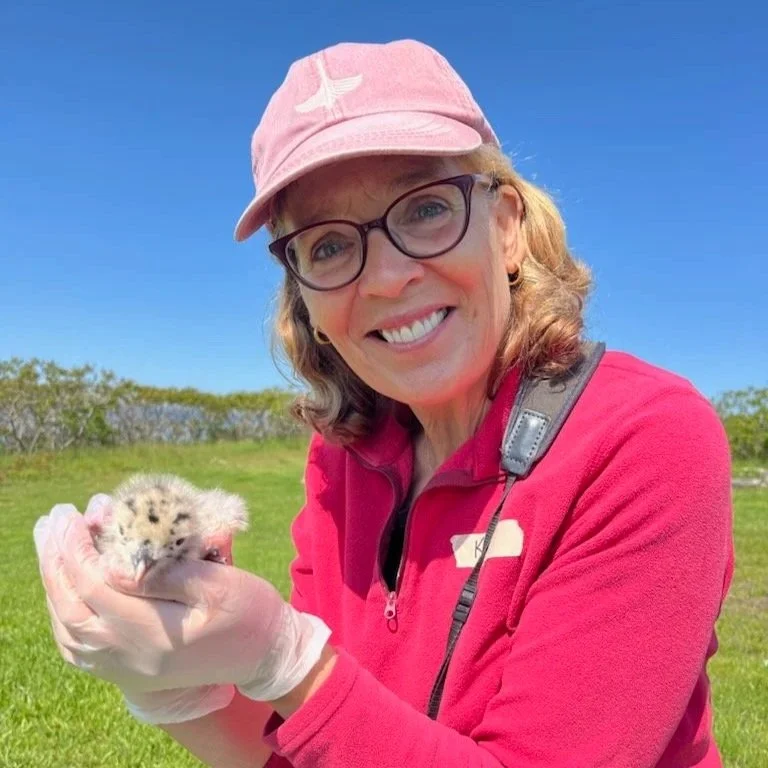
Brooklin nature writer Kim Ridley.
Figuring out how to peacefully coexist with our neighbors feels like an even more timely and powerful practice these days. I’m starting with coyotes.
The other night, coyotes yipped and howled so close to our house I could hear them with the windows closed. I opened a window to listen. From the sound of it, I imagined an entire pack had gathered. But it was probably just an amorous pair singing their ancient songs in the cold and dark.
Maine native Kimberly Ridley is the award-winning author of six creative nonfiction books about the natural world for children and adults, including The Secret Pool and Wild Design: Nature’s Architects. Her essays and articles have appeared in numerous publications including Down East Magazine, The Christian Science Monitor, and The Boston Globe. She lives in Brooklin with the painter Tom Curry and their cat Andy. www.kimberlyridley.org
