

USDA officials float possibility of ‘lobster insurance’
Crop farmers’ federal insurance programs may be the blueprint for Maine’s lobstering communities
Oct. 13, 2026
By Jessi Hardy
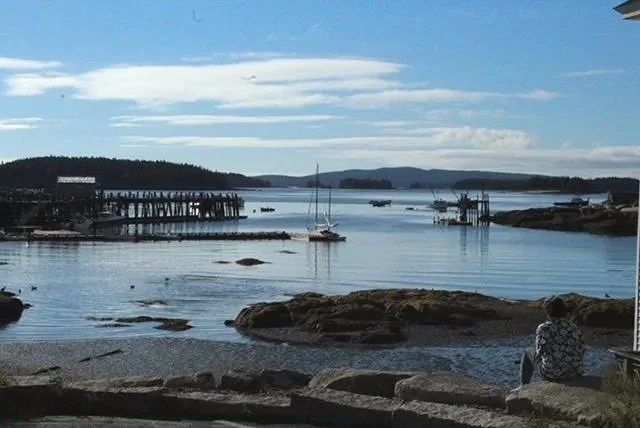
Stonington Harbor. Photo by Jessi Hardy.
STONINGTON — Leaders from the United States Department of Agriculture, including Under Secretary Richard Fordyce and Risk Management Agency Administrator Pat Swanson, met on Sept. 30 with a local lobsterman, leaders, and advocates to discuss adapting federal insurance programs—traditionally used by crop farmers—to support Maine’s multi-million-dollar lobster industry, which faces economic risks.
“The lobster industry is literally the backbone of our coastal economy,” Patrice McCarron of the Maine Lobstermen's Association said. “If the lobster industry takes a big hit, we will not have a tax base for our schools. We will not have local businesses running.”
Lobster fishermen face constant economic uncertainty, similar to crop farmers. Daily changes in market prices, high costs for bait and fuel, regulations, and climate shifts can threaten the industry.
“It's not a culture that is looking for a handout,” said Jason Joyce, an eighth-generation lobster fisherman and director of advocacy for the New England Fishermen’s Stewardship Association. “Having options for risk management to help the fishermen, I think it's huge.”
Joyce was the only lobster fisherman present at the meeting.
One concern among officials at the meeting was the existence of records and data to properly understand risks to map out an insurance plan. However, local leaders emphasize that fishermen already maintain extensive records—including co-op statements, fuel receipts, and tax filings—which can prove their losses and help create a practical safety net.
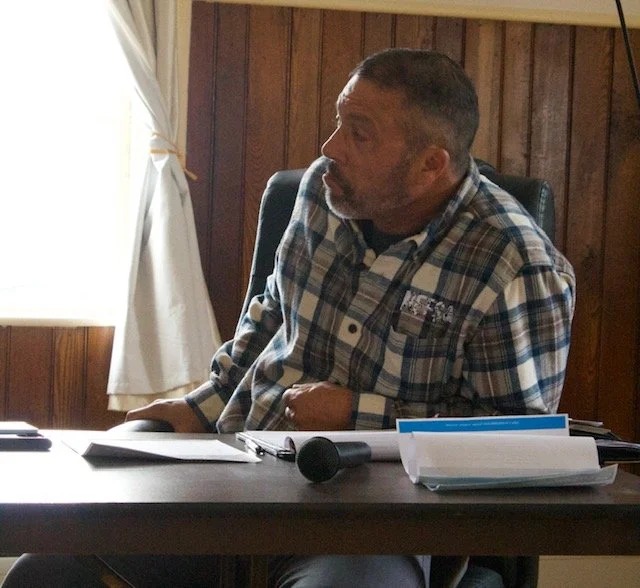
Jason Joyce, director of advocacy for the New England Fishermen’s Stewardship Association, is an eighth-generation lobster fisherman. Photo by Jessi Hardy.
“You would see over an average... what I spent on fuel for the last 10 years… what I spent on bait for the last 10 years. You see what my average price is that I've gotten for lobster. So you receive all of these different components that feed into the lobster industry,” Joyce said.
Another point brought up in the meeting was the physical risk of working out in the ocean.
Joyce made the point that lobsters remain in the water regardless of weather, so lobstermen need to be out in the elements too. If insurance models are to apply, the plans would have to account for the risk this profession brings, including the threat of damaged fishing gear and vulnerable coastal infrastructure.
USDA officials said they recognize that the necessary data is available to build a possible insurance system. The meeting concluded with attendees and USDA officials saying they would further explore developing risk-management tools to protect Maine’s fishing industry and working waterfronts.
