

McCarthy says Maine should eliminate income tax
‘Businesses should see Maine as a place to invest, not a place to avoid,’ says Republican gubernatorial candidate
EDITOR’S NOTE: The Rising Tide has asked all gubernatorial candidates to complete the following questionnaire. The Rising Tide will publish responses of candidates when received. These profiles are not paid advertisements. They are offered purely as a voter education tool. The Rising Tide does not endorse candidates for any office.
Below are responses from Republican candidate Owen McCarthy. The primary is June 9.
June 2, 2026
1. Background
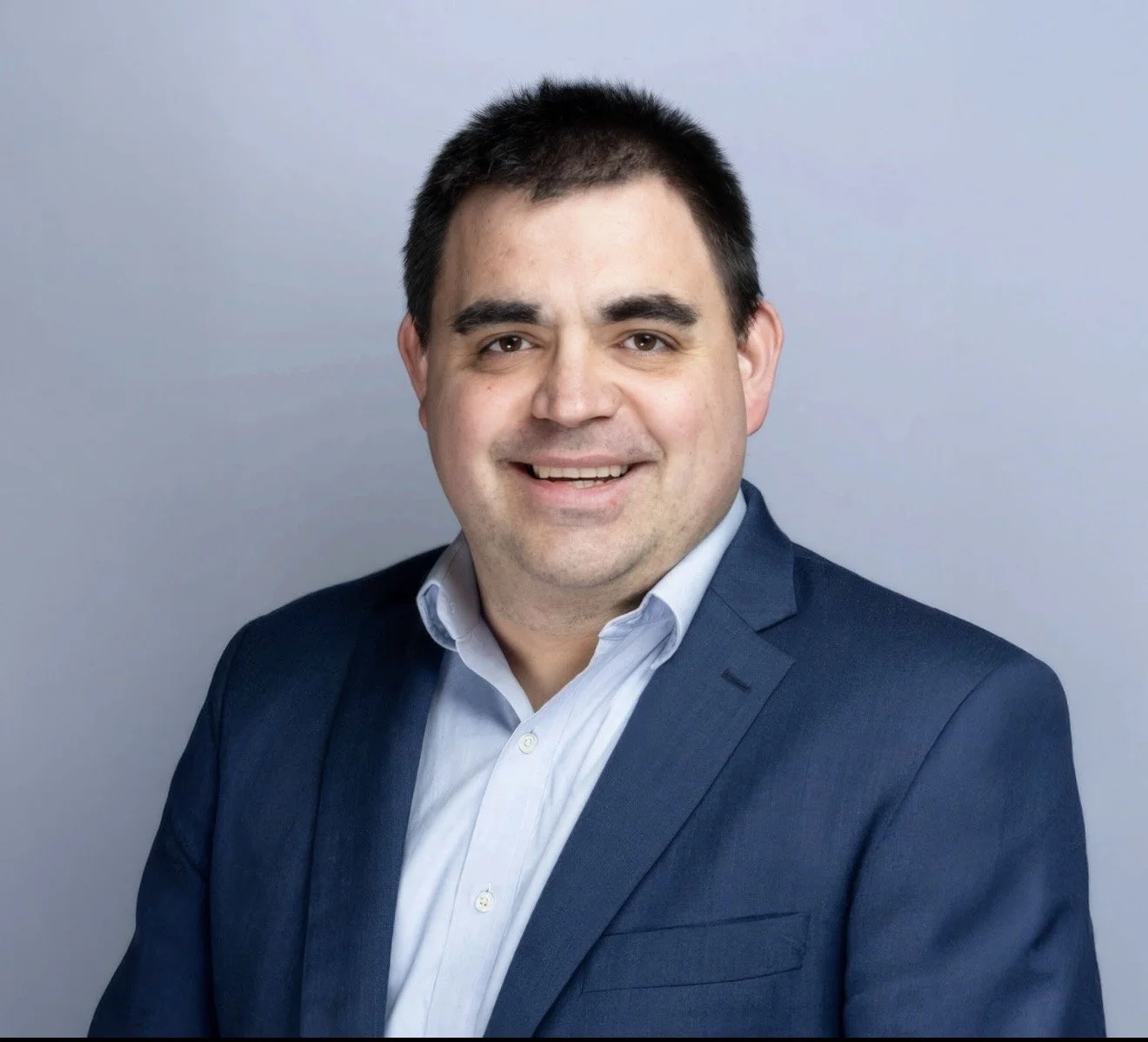
Owen McCarthy. Courtesy photo.
Tell us about your background: Where did you grow up and where did you go to school? Tell us about your career (or careers). Why do you want to be governor, and how have your past experiences prepared you for this role?
I grew up in a trailer on my grandfather’s land in Patten, Maine, as the son of a third-generation logger and second generation lunch lady. Money was often tight and hard work wasn't optional. I attended public schools, studied engineering, and eventually helped build a healthcare technology company from the ground up. My career has taken me from small-town Maine to boardrooms across the country, but I've never forgotten where I came from.
I'm running for governor because Maine is becoming harder to afford for the people who built it, and I don’t think my two young sons will have the same opportunity I did unless we turn things around fast. Families are paying more and getting less. Government is bigger, but results are worse. My experience as an engineer and business builder taught me how to solve problems, manage budgets, and hold people accountable for results. Unlike career politicians, I've spent my life creating jobs, meeting payroll, and competing in the real economy. I believe Maine needs more builders and fewer talkers, and that's exactly what I intend to bring to Augusta.
2. Housing and Affordability
Maine faces rising housing costs, increasing property taxes and a shortage of workforce housing. What specific policies would you pursue in your first two years to make Maine more affordable for working families, young people and seniors?
Affordability is the central challenge facing working-class Maine families like those I grew up with. Housing costs, property taxes, energy bills, healthcare expenses, and childcare costs are all moving in the wrong direction.
I would cut the income tax in my very first budget to give every working-class Mainer an immediate 10% raise, while working to phase out the income tax entirely over 8 years. Maine’s high tax structure make it hard to live, work and do business here, especially because neighboring New Hampshire has no income or sales tax. That’s why their economy is so much stronger than Maine.
I would also focus on increasing housing supply by streamlining permitting, reducing unnecessary regulations, and encouraging communities to build workforce housing where it makes sense. We also need to expand training programs for skilled trades because we cannot build homes without carpenters, electricians, plumbers, and contractors.
My goal is simple: make Maine a place where young families can afford to buy a home, seniors can afford to stay in one, and families can build a future.
3. Rural Maine
Many rural communities are struggling with aging populations, school enrollment declines, workforce shortages and limited access to health care. What is your long-term vision for rural Maine, and how would your administration help small towns remain economically and socially viable? What specifically will you do for rural Maine?
Rural Maine isn't a problem to be managed. It's one of our greatest assets. My vision is for rural Maine to become a center of growth again by connecting its strengths in natural resources, manufacturing, agriculture, forestry, tourism, and emerging technologies.
As the only candidate with roots north of Augusta, I understand that rural communities often feel forgotten by policymakers. My administration would focus on expanding economic opportunity rather than managing decline. That means better broadband, stronger infrastructure, workforce development, and policies that encourage businesses to invest outside southern Maine.
We also need to improve access to healthcare, support local schools, and make it easier for young families to stay and build lives in rural communities.
The long-term goal is straightforward: more jobs, more growth, more opportunity, and more reasons for young people to stay in rural Maine instead of feeling they have to leave to succeed.
4. Education and Workforce Development
Maine has slipped dramatically in delivery of quality education, and now ranks in the bottom 10 states in the nation. What is your plan to reverse this trend?
Maine spends a lot on education, but the results are increasingly unacceptable. When students are graduating without basic reading and math proficiency, the system is failing both children and taxpayers.
My plan starts with accountability. We need clear standards, transparent reporting, and a focus on outcomes rather than excuses. Parents deserve to know how schools are performing, and schools should be rewarded for delivering results.
We also need to strengthen career and technical education. Not every student needs a four-year college degree, but every student should graduate high school with a pathway to success. That means expanding vocational programs, apprenticeships, and partnerships with employers.
Most importantly, we must return the focus of education to academics. Reading, writing, math, science, and workforce readiness should come first. If we raise expectations, empower great teachers, and focus relentlessly on results, Maine can once again have one of the best education systems in the country.
5. Energy
Maine has some of the highest electricity rates in the nation. What is your plan to reduce electricity rates, and will you promise to lower it by a certain amount?
Maine families are being crushed by energy costs, and government policies are making the problem worse. We need an all-of-the-above energy strategy focused on affordability, reliability, and long-term supply.
I support expanding domestic energy production, modernizing the grid, and removing barriers that drive up costs without delivering meaningful benefits. I also support repealing Maine's outdated nuclear moratorium and exploring next-generation nuclear technologies as part of our long-term energy future.
Much of the reason energy bills are skyrocketing is because of the expensive green energy mandates that are incorporated into energy bills. I’ll do away with these fees, and insist politicians stop burying costly programs on energy bills to avoid accountability.
Today, too many policies are designed around politics. My administration will design them around affordability.
6. Economy.
Maine has always struggled with a year-round economy. But seasonal states like Florida are booming, thanks to economic development plans that are business friendly and aim to lower income and property taxes. What’s your plan to spur economic development? Do you have any outside-the-box ideas you’d like to propose?
Maine needs a growth strategy. That's why I released Maine 2040: Built to Lead Again, a comprehensive economic plan focused on creating opportunity and raising incomes.
We should identify and aggressively support industries where Maine can compete nationally and globally, including advanced manufacturing, healthcare technology, forest products, marine industries, energy innovation, and defense-related industries.
We also need a more competitive tax and regulatory environment. Businesses should see Maine as a place to invest, not a place to avoid.
One of my outside-the-box ideas is treating economic development more like venture capital. Instead of scattering resources across dozens of initiatives, we should make focused bets on industries where Maine has genuine competitive advantages and build ecosystems around them.
The goal isn't simply more jobs. It's more high-paying jobs, stronger communities, and an economy that gives our children a reason to build their futures here.
7. Trust in Government and Civic Life.
Americans increasingly distrust institutions, including government and the media. What would you do as governor to improve transparency, restore public trust and encourage more civil political dialogue in Maine?
Trust is earned through competence, transparency, and accountability. Right now, many Mainers feel government isn't delivering on any of those fronts.
As governor, I would begin by auditing state government and making more information available to the public. Taxpayers deserve to know where their money is going, what programs are working, and where waste or fraud exists.
I also believe elected officials should tell us exactly what they intend to do once in office. That’s why I wrote my Maine 2040 plan. I want to go to Augusta to do something, not just be something. I’m the only candidate in this race with a real, comprehensive plan so voters understand my priorities and can hold me accountable once elected.
On civic dialogue, I think leaders set the tone. We can disagree strongly without questioning each other's motives or treating political opponents as enemies. I won't always agree with everyone, but I will listen, explain my reasoning, and focus on solving problems rather than scoring points.
The best way to restore trust is simple: Do what you said you were going to do, and be accountable when you don't.
