

Japanese knotweed is the edible enemy
Highly invasive plant is shockingly aggressive but delightfully delicious
June 9, 2026
By John McClement
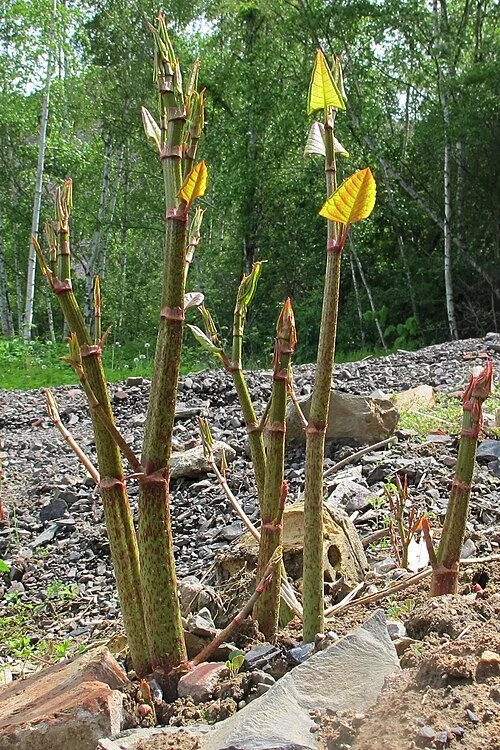
Young, tender knotweed shoots are available through mid-September. Photo by Upsplash.
After a long winter of consuming food mostly “from away,” Mainers crave freshness. As the landscape greens around us, we look for what's available. By early June we’ve indulged in local asparagus and fiddlehead ferns are nearing the end of their short reign. So now what do we eat?
I’d suggest an adventure in foraging. Enter: Japanese knotweed.
Japanese knotweed (Fallopia Japonica) is notorious for being relentlessly invasive. It is the nemesis of all gardeners and homeowners unfortunate enough to have it on their property.
But, besides its all encroaching dark power to conquer everything that grows around it, Japanese knotweed is one of the most nutritious as well as versatile and delicious consumables in our midst.
Japanese knotweed contains high levels of antioxidants and anti-inflammatory compounds, along with potassium, magnesium and vitamins A and C. It also contains a compound called polydatin which is a more powerful version of resveratrol which you might know as “the good stuff” in red wine. Some studies have pointed to possible benefits from the compound including mobility, circulatory and cognitive health, cognitive, gastric healing, cancer fighting traits, skin healing and possibly symptoms of Lyme disease. Always consult your doctor before relying on this as a treatment, of course.
From a flavor perspective, Japanese knotweed can be both sweet and savory, depending on how it's prepared. Eaten raw, it has the flavor of rhubarb mixed with Granny Smith apples and a citrusy edge.
If you’d like it on the savory side, knotweed can be steamed, grilled, sautéed, roasted, battered and fried or pickled. It is wonderful in a stir fry surrounded by onions, garlic, peppers, soy, honey and spices. Maybe a zingy pesto is calling you? Or knotweed salsa, perhaps? Even the plant's leaves can be used in salads, but the peppery flavor can be intense so proceed with caution.
As a dessert, think of knotweed like rhubarb and pair it with strawberries in early summer or blueberries, raspberries, and blackberries later in the season. When it is cooked and pureed, knotweed can be used as everything from an applesauce substitute to a base for ice cream or sorbet. Don’t worry, you’ll have plenty of time to experiment. Young, tender knotweed shoots are available through mid-September.
You’ll find more ways to prepare Japanese knotweed online than you could ever have imagined and harvesting it is relatively easy.
The first step is to find an unadulterated patch that has not been sprayed with herbicides. If you don’t have a patch of your own, call your town office or ask your neighbor if they spray to control growth. Unfortunately, it's usually not hard to locate.
After you have identified a foraging spot, cut young, tender shoots from six to eighteen inches and place them carefully in your bag. Be careful to not drop any stems as you forage–Japanese knotweed's ability to sprout and spread is fast, tenacious and unforgiving, especially if there are any root pieces involved.
It’s important to make sure you follow safety guidelines when harvesting and cooking foraged foods. Social media influencers like forager and educator Alexis Nikole Nelson, known online as the Black Forager, and author Alan Bergo, known as The Forager Chef, are great harvesting resources. They both have a lot of information to share about the plant and are endlessly enthusiastic about exploring Japanese knotweed’s culinary potential. Bon Appetit, forager.com, and Edible Hudson Valley all have eclectic Japanese knotweed recipes.
Once you have identified and vetted your battleground of choice, grab your kitchen weapon and lead the charge. Be among the rising ranks of a new holy crusade: Eat your enemy, and do so deliciously.
Most importantly, remember that this is a plant that wants to thrive and conquer. After you prepare your chosen recipe, all unused knotweed pieces should be boiled for at least three minutes or thrown in the microwave before being discarded or dumped, especially if they’re going in your compost. That way you can be sure the plant won’t grow–or spread–elsewhere.
