

Shaw Institute to offer lab work and field research to GSA students
‘We can help students in a rural area show that they can do great research,’ says director of Blue Hill-based institute
Aug. 4, 2026
By Steele Hays
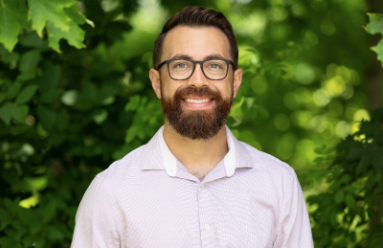
Dr. Charles Rolsky, head of the Shaw Institute in Blue Hill. Photo courtesy of the Shaw Institute.
A handful of students at George Stevens Academy (GSA) have done individual study programs at the Shaw Institute over the last three years, but for the first time starting this fall, the high school will offer a course – “Introduction to Scientific Research” – in cooperation with the institute.
The class, which was announced July 29 in a joint press release, will be taught by Shaw Institute director Dr. Charles Rolsky. The course is designed to give students the opportunity to work directly on active Shaw Institute research projects, gathering and analyzing data and working in the laboratory and in the field.
Most of the classes will be held at Shaw Institute. If students are motivated, they may be able to write a research paper and submit it for publication in a scientific journal, Rolsky said in an interview with The Rising Tide. Rolsky is volunteering his time to develop and teach the class.
“Rather than reading about scientific methods, students will practice them directly: running a live natural-selection simulation, building evolutionary trees from real DNA data, and working through case studies modeled on ongoing ecological research,” GSA said in its press release, adding that this is part of the school’s move into what are called “Career and Technical Education” offerings.
“This class is a glimpse into the future of our expanded CTE program. It’s not electives bolted onto a schedule, but real partnerships with people already doing the work,” said Amy Strother, the school’s CTE coordinator. “Students in this class aren’t simulating research. They’re doing it, alongside a working scientist, using data from their own coastline.”
The course is a signature offering within GSA's Marine and Coastal Sciences pathway, one of four “pillars” in the school's Career and Technical Education (CTE) offerings. GSA already offers a course called Ocean Studies for students interested in marine-related careers. That course includes participation in the Eastern Maine Skippers Program and offers opportunities for field-based research and interaction with marine scientists, fisheries-related businesses and policy experts.
Rolsky proposed the idea for his new course to GSA leaders and they embraced it, he said. One of the catalysts for this initiative was feedback from potential donors who told Rolsky they’d be receptive to providing financial support for the institute if there were a stronger focus on research work that directly impacts the Blue Hill Peninsula and downeast Maine, he said.
“My goal is to show that this kind of cooperation can work and that we can help students in a rural area show that they can do great research,” Rolsky said.
The course will draw on Shaw Institute's current work in microplastics research, PFAS (“forever chemicals”) contamination in marine mammals, and coastal water quality monitoring. The class will also include career-mentorship components, such as learning how to write resumes and cover letters and apply for internships and research opportunities.
“There's a real difference between teaching students about science and putting them inside it,” Rolsky said in the news release. “This course puts students in the same room as the data — the same water quality records, the same open research questions we're working on right now. I wanted to teach it myself because that's the fastest way to close the gap between ‘student’ and ‘researcher.’”
So far, six GSA students have indicated an interest in the course, Rolsky said. Any interested students should contact their advisor for more information.
Rolsky said the institute had not budgeted any funds to cover the cost of the course and would welcome donations to support the GSA course.
“It’s a lot to take on,” he said. “I’m encouraging anyone in the community who can help to come forward.”
The Shaw Institute was founded in 1990 by Dr. Susan Shaw, an environmental scientist. It was initially called the Marine & Environmental Research Institute (MERI). In 2018, the name was changed to the Shaw Institute to acknowledge Shaw and honor her legacy of 30 years of environmental impact research. Dr. Shaw passed away in 2022.
